
Collection: ASA 3D Printer Filament
ASA is the material you reach for when parts need to survive outdoor exposure. It shares ABS's strength, heat resistance, and acetone-smoothability — with one critical addition: UV stability. Where ABS yellows, fades, and... Read more
-
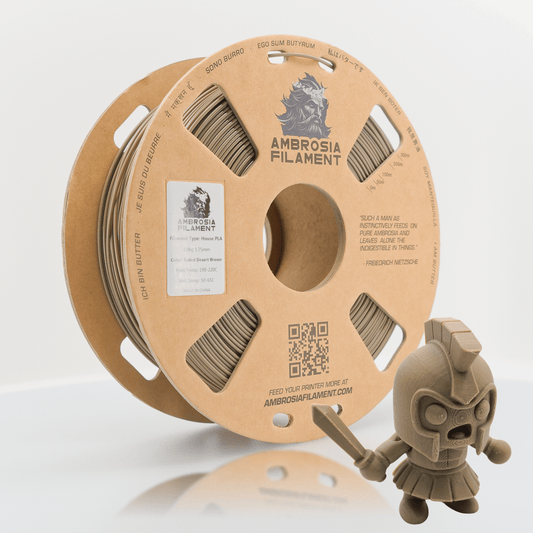
Ambrosia ASA Filament 1.75mm 1kg — UV-Resistant Outdoor Prints | 28 Colors | AMS-Ready Spool
Regular price $22.99 USDSale price $22.99 USD -
Ambrosia Galactic Sparkle ASA Filament 1.75mm 1kg — Glitter Finish for Outdoor Prints | 24 Colors | AMS-Ready
Regular price $23.99 USDRegular price$26.99 USDSale price $23.99 USDSale -
Ambrosia Dolos Color Shifting ASA Filament 1.75mm — 1KG
Regular price $24.99 USDRegular price$27.99 USDSale price $24.99 USDSale -
Ambrosia ASA-GF Glass Filled Filament 1.75mm — 1KG & 2KG
Regular price From $26.99 USDRegular price$26.99 USDSale price From $26.99 USD -

 Sale
Black ASA Prime
Regular price From $20.00 USDRegular price$22.99 USDSale price From $20.00 USDSale -
Ambrosia ASA-CF Carbon Fiber Filament 1.75mm — 1KG & 2KG
Regular price $32.99 USDRegular price$36.99 USDSale price $32.99 USDSale -
Push Plastic ASA Filament 1.75mm — 1kg | UV-Resistant Outdoor
Regular price $29.99 USDRegular price$33.99 USDSale price $29.99 USDSale -
Midnight Blue ASA Prime
Regular price From $20.00 USDRegular price$22.99 USDSale price From $20.00 USDSale -

 Sale
Stone Gray ASA Prime
Regular price From $20.00 USDRegular price$22.99 USDSale price From $20.00 USDSale -

 Sale
Salsa Red ASA Prime
Regular price From $20.00 USDRegular price$22.99 USDSale price From $20.00 USDSale -

 Sale
White ASA Prime
Regular price From $20.00 USDRegular price$22.99 USDSale price From $20.00 USDSale -
Cobalt Blue ASA Prime
Regular price From $20.00 USDRegular price$22.99 USDSale price From $20.00 USDSale -
Inferno Orange ASA Prime
Regular price From $20.00 USDRegular price$22.99 USDSale price From $20.00 USDSale -
Lemon Yellow ASA Prime
Regular price From $20.00 USDRegular price$22.99 USDSale price From $20.00 USDSale -

 Sale
Natural ASA Prime
Regular price From $20.00 USDRegular price$22.99 USDSale price From $20.00 USDSale -
Mystery Spool of 3D Printer Filament - 1kg
Regular price $19.99 USDRegular price$22.99 USDSale price $19.99 USDSale -
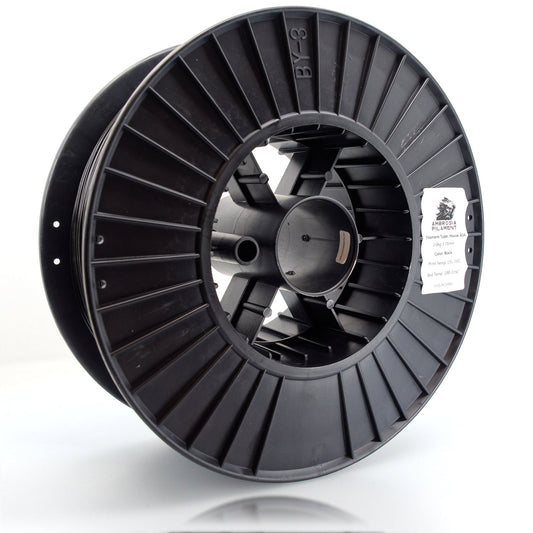
Ambrosia ASA Filament 1.75mm — 2KG & 5KG Bulk Spools
Regular price From $44.99 USDRegular price$49.99 USDSale price From $44.99 USDSale -
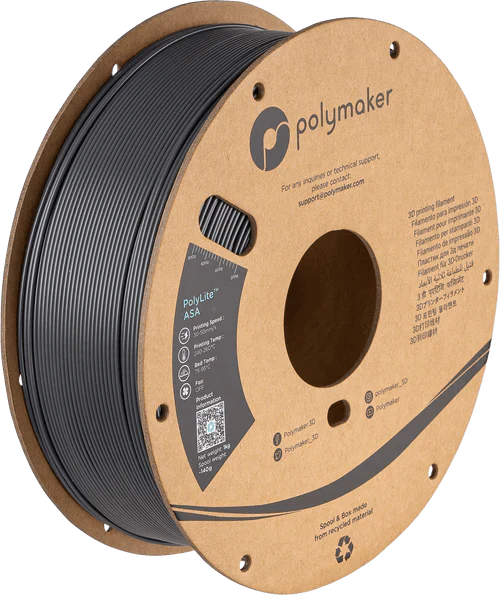
Polymaker PolyLite ASA Filament – 1kg
Regular price $25.99 USDRegular price$28.99 USDSale price $25.99 USDSale -
Phaetus aeWorthy ASA-GF Glass-Filled ASA Filament | 1.75mm | 1kg
Regular price $28.99 USDRegular price$42.99 USDSale price $28.99 USDSale -
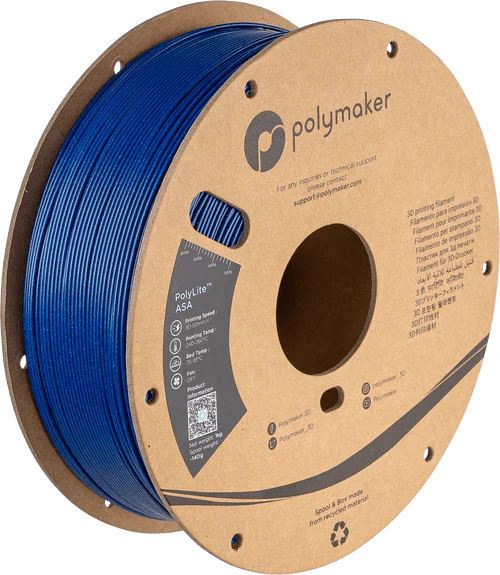
Polymaker PolyLite Galaxy ASA Filament – 1kg
Regular price $32.99 USDRegular price$49.99 USDSale price $32.99 USDSale -
Push Plastic ASA Filament 1.75mm — 3kg Bulk | UV-Resistant Outdoor
Regular price $89.99 USDRegular price$115.99 USDSale price $89.99 USDSale








About ASA Filament
Built for the Outdoors. Stable in the Sun. Tougher Than ABS.
ASA is the material you reach for when parts need to survive outdoor exposure. It shares ABS's strength, heat resistance, and acetone-smoothability — with one critical addition: UV stability. Where ABS yellows, fades, and becomes brittle under prolonged sun exposure, ASA holds its color, its mechanical properties, and its dimensional form. Automotive exteriors, rooftop fixtures, garden tools, RC bodies, marine hardware — ASA is built for all of it.
The ASA range includes standard and high-speed formulas, carbon fiber and glass fiber reinforced variants for structural outdoor applications, sparkle/galactic finishes, and color-shifting Dolos ASA for those who want aesthetics and outdoor durability in the same print.
What you'll find here:
- Standard ASA — Polymaker PolyLite ASA, Ambrosia ASA, SainSmart GT-3 ASA
- Polymaker PolyLite Galaxy ASA — sparkle finish, UV stable
- Ambrosia ASA Galactic (Glitter/Sparkle) — 1kg
- Ambrosia ASA-CF — carbon fiber reinforced ASA
- Ambrosia ASA-GF — glass fiber reinforced ASA
- Ambrosia Dolos Color-Shifting ASA
- SainSmart Carbon Fiber ASA
- Bulk spool ASA (Ambrosia 2kg/5kg)
ASA Filament — Frequently Asked Questions
What temperature does ASA print at?
ASA prints at 240–260°C nozzle and 90–110°C bed. Like ABS, it requires an enclosed printing environment to prevent warping — a heated enclosure at 40–50°C delivers the best results. Cooling fan should be off or at minimum; high cooling increases the risk of layer delamination.
How long does ASA last outdoors?
ASA holds its color, mechanical properties, and dimensional form for years under direct outdoor exposure. The UV stabilizers are material-level — built into the polymer, not a surface coating. Standard ABS begins yellowing and embrittling within months of full sun exposure. ASA is the permanent outdoor-rated alternative.
Is ASA stronger than ABS?
ASA and ABS have nearly identical mechanical properties — similar heat resistance (~100°C HDT), similar impact strength, and both are acetone-smoothable. The critical difference is UV resistance: ASA retains its properties outdoors for years; ABS does not. For outdoor or UV-exposed parts, ASA wins outright. For purely indoor engineering applications, the two materials are equivalent.
Can ASA be acetone smoothed?
Yes — ASA is fully acetone-smoothable, identical to ABS. Expose the finished print to acetone vapor in a sealed container to melt the surface layer, eliminating layer lines and producing a smooth, weather-sealed finish. This improves waterproofing significantly — ideal for outdoor hardware.
What is ASA used for?
ASA is the standard choice for any 3D printed part facing outdoor exposure: automotive exterior trim, rooftop sensor housings, garden fixtures, RC vehicle bodies, marine hardware, outdoor signage, antenna mounts, and weatherproof enclosures. Its UV stability and impact resistance make it the direct upgrade from ABS for any real-world exterior application.
Is ASA the same as ABS for printing settings?
Yes — ASA and ABS use nearly identical print settings. If you can print ABS on your machine, you can print ASA without changing any settings. The same enclosure requirements apply, and both materials benefit from a draft shield in the slicer for large prints.
Learn more: ASA Filament: The Complete Guide to UV-Resistant Outdoor 3D Printing