
Collection: PLA 3D Printer Filament
PLA is where almost every 3D printing journey begins — and for good reason. It's easy to print, widely compatible, comes in hundreds of colors, and produces clean, detailed results across virtually any model... Read more
-
Biqu PLA-HR Filament for Airless Basketballs etc. Multiple Colors
Regular price $49.90 USDRegular price$55.99 USDSale price $49.90 USDBiqu PLA-HR Filament for Airless Basketballs etc. Multiple Colors
Regular price $49.90 USDRegular price$55.99 USDSale price $49.90 USDBiqu PLA-HR Filament for Airless Basketballs etc. Multiple Colors
Regular price $49.90 USDRegular price$55.99 USDSale price $49.90 USDSale -
Push Plastic PLA Filament 1.75mm 1kg — Made in USA | Easy Printing, No Enclosure
Regular price $24.99 USDRegular price$27.99 USDSale price $24.99 USDPush Plastic PLA Filament 1.75mm 1kg — Made in USA | Easy Printing, No Enclosure
Regular price $24.99 USDRegular price$27.99 USDSale price $24.99 USDPush Plastic PLA Filament 1.75mm 1kg — Made in USA | Easy Printing, No Enclosure
Regular price $24.99 USDRegular price$27.99 USDSale price $24.99 USDSale -
Polymaker Panchroma Gradient PLA 3D Printer Filament 1KG 1.75mm
Regular price $39.99 USDRegular price$44.99 USDSale price $39.99 USDPolymaker Panchroma Gradient PLA 3D Printer Filament 1KG 1.75mm
Regular price $39.99 USDRegular price$44.99 USDSale price $39.99 USDPolymaker Panchroma Gradient PLA 3D Printer Filament 1KG 1.75mm
Regular price $39.99 USDRegular price$44.99 USDSale price $39.99 USDSale -
Polymaker PolySonic High Speed Printing PLA 3D Printer Filament 1KG 1.75mm
Regular price $36.99 USDRegular price$41.99 USDSale price $36.99 USDPolymaker PolySonic High Speed Printing PLA 3D Printer Filament 1KG 1.75mm
Regular price $36.99 USDRegular price$41.99 USDSale price $36.99 USDPolymaker PolySonic High Speed Printing PLA 3D Printer Filament 1KG 1.75mm
Regular price $36.99 USDRegular price$41.99 USDSale price $36.99 USDSale -
Polymaker PLA PRO PolySonic High Speed Printing Filament 1KG 1.75mm
Regular price $39.99 USDRegular price$44.99 USDSale price $39.99 USDPolymaker PLA PRO PolySonic High Speed Printing Filament 1KG 1.75mm
Regular price $39.99 USDRegular price$44.99 USDSale price $39.99 USDPolymaker PLA PRO PolySonic High Speed Printing Filament 1KG 1.75mm
Regular price $39.99 USDRegular price$44.99 USDSale price $39.99 USDSale -
Polymaker Panchroma Dual Matte PLA 3D Printer Filament 1KG 1.75mm
Regular price $33.99 USDRegular price$37.99 USDSale price $33.99 USDPolymaker Panchroma Dual Matte PLA 3D Printer Filament 1KG 1.75mm
Regular price $33.99 USDRegular price$37.99 USDSale price $33.99 USDPolymaker Panchroma Dual Matte PLA 3D Printer Filament 1KG 1.75mm
Regular price $33.99 USDRegular price$37.99 USDSale price $33.99 USDSale -
Polymaker Panchroma Gradient PLA Filament – 1kg
Regular price $35.99 USDRegular price$39.99 USDSale price $35.99 USDSale -
Polymaker PolyLite CosPLA Filament - 1kg
Regular price $33.99 USDRegular price$37.99 USDSale price $33.99 USDPolymaker PolyLite CosPLA Filament - 1kg
Regular price $33.99 USDRegular price$37.99 USDSale price $33.99 USDPolymaker PolyLite CosPLA Filament - 1kg
Regular price $33.99 USDRegular price$37.99 USDSale price $33.99 USDSale -
Polymaker Panchroma Matte PLA Filament | 1.75mm | 1kg
Regular price $28.99 USDRegular price$32.99 USDSale price $28.99 USDPolymaker Panchroma Matte PLA Filament | 1.75mm | 1kg
Regular price $28.99 USDRegular price$32.99 USDSale price $28.99 USDPolymaker Panchroma Matte PLA Filament | 1.75mm | 1kg
Regular price $28.99 USDRegular price$32.99 USDSale price $28.99 USDSale -
Polymaker Panchroma Galaxy PLA Filament – 1kg
Regular price $37.99 USDRegular price$42.99 USDSale price $37.99 USDPolymaker Panchroma Galaxy PLA Filament – 1kg
Regular price $37.99 USDRegular price$42.99 USDSale price $37.99 USDPolymaker Panchroma Galaxy PLA Filament – 1kg
Regular price $37.99 USDRegular price$42.99 USDSale price $37.99 USDSale -
Polymaker PolyLite PLA Filament - 1kg
Regular price $29.99 USDRegular price$33.99 USDSale price $29.99 USDPolymaker PolyLite PLA Filament - 1kg
Regular price $29.99 USDRegular price$33.99 USDSale price $29.99 USDPolymaker PolyLite PLA Filament - 1kg
Regular price $29.99 USDRegular price$33.99 USDSale price $29.99 USDSale -
Push Plastic High-Heat Tough PLA Filament - 5kg (11lbs)
Regular price $201.99 USDRegular price$224.99 USDSale price $201.99 USDPush Plastic High-Heat Tough PLA Filament - 5kg (11lbs)
Regular price $201.99 USDRegular price$224.99 USDSale price $201.99 USDPush Plastic High-Heat Tough PLA Filament - 5kg (11lbs)
Regular price $201.99 USDRegular price$224.99 USDSale price $201.99 USDSale -
Push Plastic High- Heat Tough PLA Filament 1.75mm - 1kg (2.2lbs)
Regular price $39.99 USDRegular price$44.99 USDSale price $39.99 USDPush Plastic High- Heat Tough PLA Filament 1.75mm - 1kg (2.2lbs)
Regular price $39.99 USDRegular price$44.99 USDSale price $39.99 USDPush Plastic High- Heat Tough PLA Filament 1.75mm - 1kg (2.2lbs)
Regular price $39.99 USDRegular price$44.99 USDSale price $39.99 USDSale -
Push Plastic High-Heat Tough PLA Filament 1.75mm - 3kg (6.61lbs)
Regular price $133.99 USDRegular price$148.99 USDSale price $133.99 USDPush Plastic High-Heat Tough PLA Filament 1.75mm - 3kg (6.61lbs)
Regular price $133.99 USDRegular price$148.99 USDSale price $133.99 USDPush Plastic High-Heat Tough PLA Filament 1.75mm - 3kg (6.61lbs)
Regular price $133.99 USDRegular price$148.99 USDSale price $133.99 USDSale -
Push Plastic Bulk High-Heat Tough PLA Filament 1.75mm - 10kg (22lbs)
Regular price $403.99 USDRegular price$448.99 USDSale price $403.99 USDPush Plastic Bulk High-Heat Tough PLA Filament 1.75mm - 10kg (22lbs)
Regular price $403.99 USDRegular price$448.99 USDSale price $403.99 USDPush Plastic Bulk High-Heat Tough PLA Filament 1.75mm - 10kg (22lbs)
Regular price $403.99 USDRegular price$448.99 USDSale price $403.99 USDSale -
CarbonX PLA+CF 3D Printer Filament by 3DXTech Made in USA 750g
Regular price $29.74 USDRegular price$45.99 USDSale price $29.74 USDSold out -
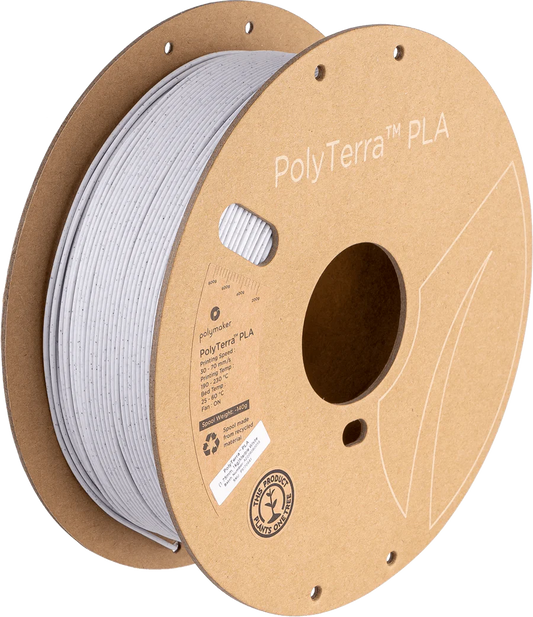
Polymaker Panchroma Marble Matte PLA Filament | 1.75mm | 1kg
Regular price $28.99 USDRegular price$32.99 USDSale price $28.99 USDSale -
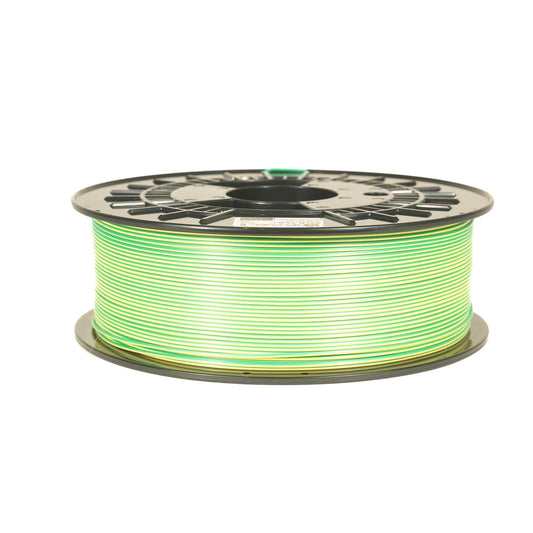
3D-Fuel Dual-Color Silk PLA+ | Silky Lemon Lime | 1.75mm | Made in USA
Regular price $45.99 USDRegular price$51.99 USDSale price $45.99 USDSold out -
3D-Fuel Dual-Color Silk PLA+ | Silky Blushing Violet | 1.75mm | Made in USA
Regular price $45.99 USDRegular price$51.99 USDSale price $45.99 USDSold out -
3D-Fuel Dual-Color Silk PLA+ | Silky Mixed Berry | 1.75mm | Made in USA
Regular price $45.99 USDRegular price$51.99 USDSale price $45.99 USDSold out -
3D-Fuel Dual-Color Silk PLA+ | Silky Blue Orange Theory | 1.75mm | Made in USA
Regular price $45.99 USDRegular price$51.99 USDSale price $45.99 USDSold out -
3D-Fuel Dual-Color Silk PLA+ | Silky Lagoon | 1.75mm | Made in USA
Regular price $45.99 USDRegular price$51.99 USDSale price $45.99 USDSold out -
3D-Fuel Silk PLA+ | Silky Vine Leaf Green | 1.75mm | Made in USA
Regular price $39.99 USDRegular price$44.99 USDSale price $39.99 USDSold out -
3D-Fuel Silk PLA+ | Silky Black Hills Gold | 1.75mm | Made in USA
Regular price $39.99 USDRegular price$44.99 USDSale price $39.99 USDSold out -
3D-Fuel Silk PLA+ | Silky Royal Navy Blue | 1.75mm | Made in USA
Regular price $39.99 USDRegular price$44.99 USDSale price $39.99 USDSold out -
3D-Fuel Silk PLA+ | Silky Goldenrod | 1.75mm | Made in USA
Regular price $39.99 USDRegular price$44.99 USDSale price $39.99 USDSold out -
3D-Fuel Silk PLA+ | Silky Silverbell | 1.75mm | Made in USA
Regular price $39.99 USDRegular price$44.99 USDSale price $39.99 USDSold out -
3D-Fuel Tough Pro PLA+ | Coyote Brown | 1.75mm | Made in USA
Regular price $32.95 USDRegular price$36.99 USDSale price $32.95 USDSale















About PLA Filament
The Starting Point for Every Maker. And So Much More.
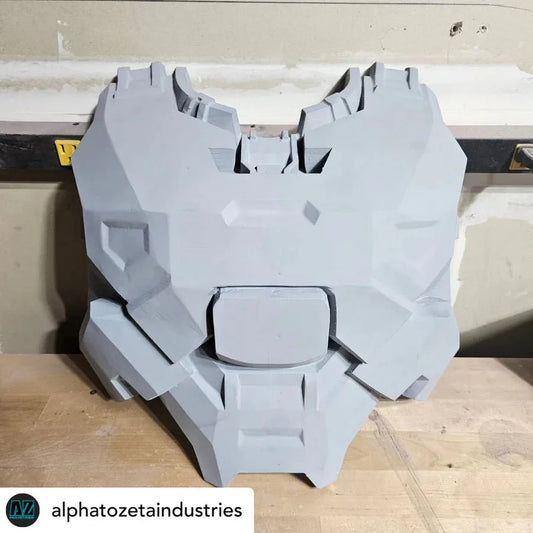
PLA is where almost every 3D printing journey begins — and for good reason. It's easy to print, widely compatible, comes in hundreds of colors, and produces clean, detailed results across virtually any model type. But the PLA in our catalog goes well beyond the basics.
From high-speed PLA formulas engineered for 500mm/s+ machines, to silk and galaxy aesthetics that produce stunning visual effects straight off the build plate, to matte finishes that hide layer lines, gradient rainbow transitions, and dual-color silks that shift across the print — and specialty formulas like sandable CosPLA for cosplay builders and eco-friendly Ambrosia PLA made in the USA — this is PLA as a full material category, not just a starting material.
What you'll find here:
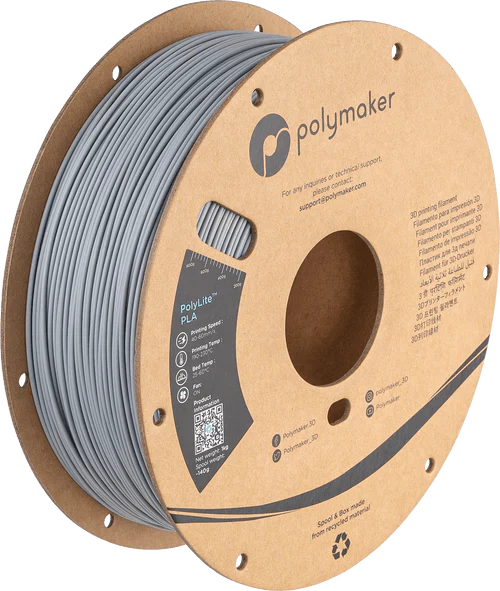
- Standard PLA from Polymaker, 3D-Fuel, Ambrosia, Push Plastic, SainSmart, and more
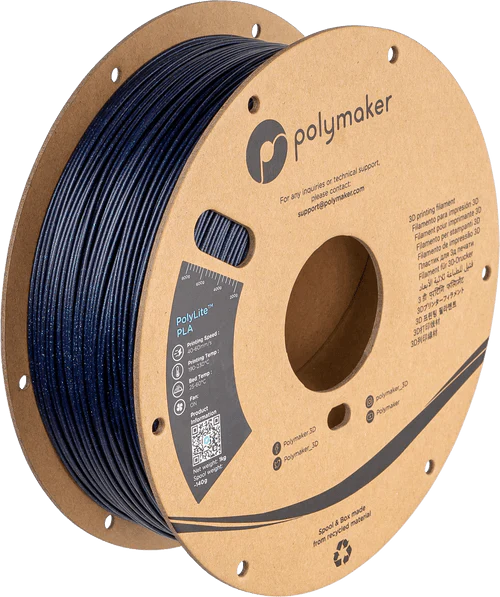
- Silk, Dual-Colour Silk, and Sparkle PLA for visual impact
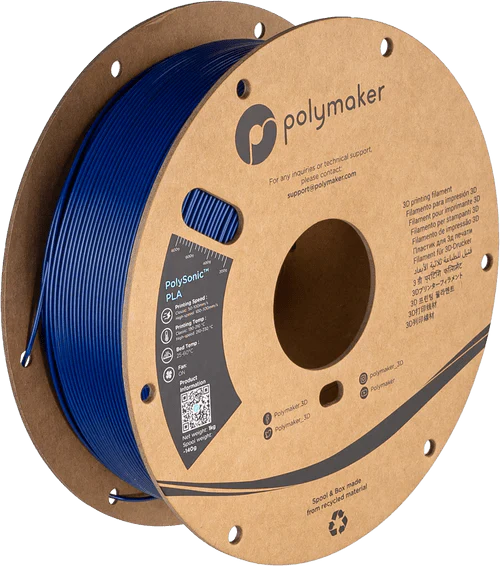
- High-speed PLA (PolySonic, GT-3) for fast-print machines
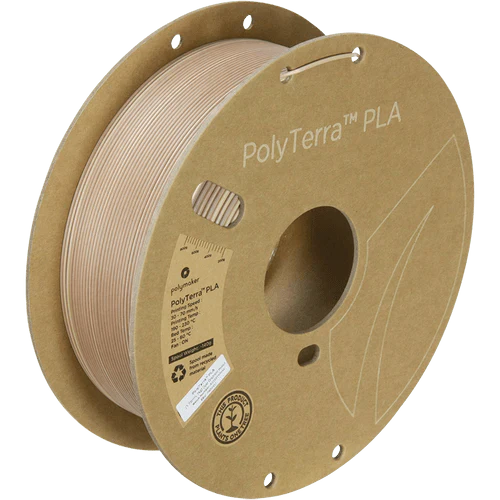
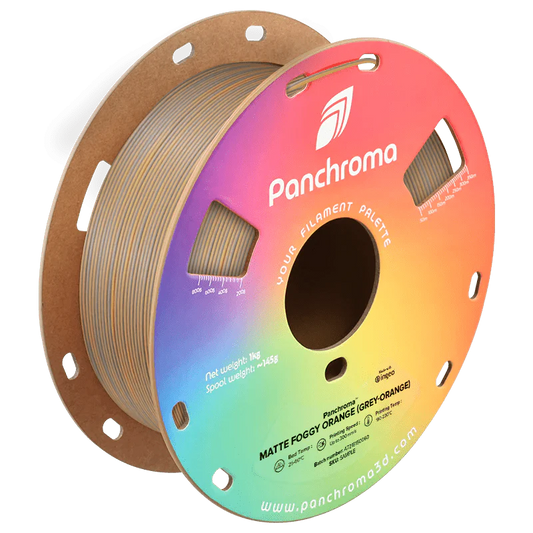
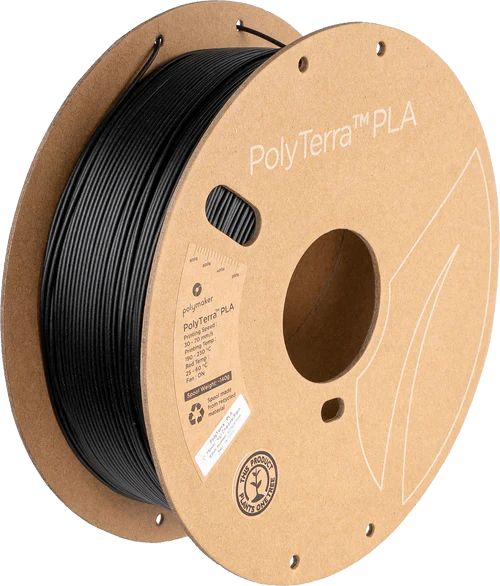
- Matte PLA (Panchroma/PolyTerra) for clean, layer-hiding surfaces
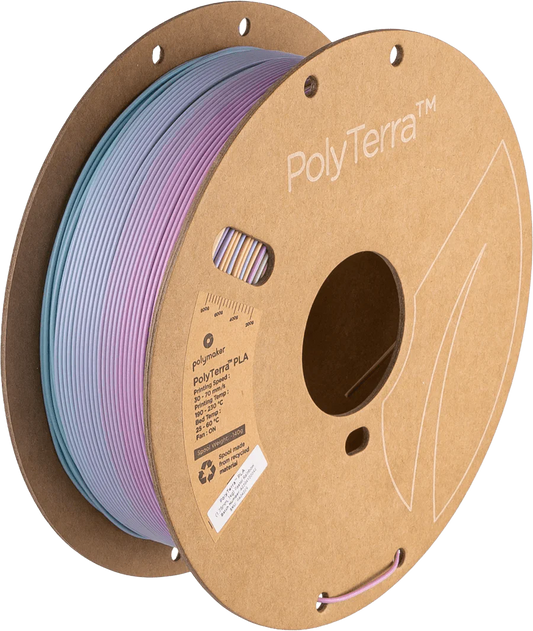
- Gradient and Rainbow PLA for single-extruder color flow
- PLA+ variants with improved toughness and durability
- Tough Pro PLA+ (3D-Fuel) — engineering-impact PLA built on NatureWorks 3D870 resin
- Specialty PLA: CosPLA (sandable), ESD-PLA, LW-PLA (lightweight foaming), PLA-CF
- Ambrosia PLA — Made in USA, Bambu AMS friendly
- Standard and 4kg bulk spool options
PLA Filament — Frequently Asked Questions
What temperature should I print PLA at?
Most PLA filaments print best at 190–220°C nozzle with a bed at 0–60°C. High-speed PLA formulas (PolySonic, GT-3) typically run hotter at 220–240°C to sustain flow at 300–500mm/s. Always check the brand's recommended range — it varies by formula and colorant.
Is PLA or PETG stronger?
PLA is stiffer (higher tensile modulus), but PETG is tougher — it resists impact and flexing without cracking. For functional parts under mechanical stress, PETG is usually the better choice. For detailed models, cosplay props, and aesthetic prints, PLA delivers cleaner results and is easier to dial in.
What is the best PLA filament for a Bambu Lab printer?
Ambrosia PLA ships on Bambu AMS-friendly cardboard spools and is held to ±0.02mm diameter tolerance. For high-speed printing on X1C or P1S at 300–500mm/s, PolySonic PLA and GT-3 are purpose-built and tested for those machines. Both are in the CONSUM3D catalog.
Can PLA be used outdoors?
Standard PLA will yellow, soften, and become brittle under prolonged UV and heat exposure — typically within weeks to months of direct sun. For outdoor applications, use ASA filament instead. It shares easy printability with PLA but has built-in UV stabilization for years of outdoor durability.
Is PLA food safe for 3D printing?
The raw PLA material can be food-grade, but FDM-printed PLA parts have micro-gaps between layers where bacteria can harbor. For food-contact applications, the finished part needs a food-safe coating, or a different manufacturing process (injection-molded or resin-cast) where the surface is impermeable.
How do I stop PLA from stringing?
Stringing in PLA is usually caused by too-high nozzle temperature, wet filament, or insufficient retraction. Start by dropping nozzle temp 5°C, then increase retraction 0.5mm at a time. If stringing persists, dry the spool (50°C for 4–6 hours) and retest. Combing/avoid crossing perimeters in your slicer also helps.
Learn more: What Is PLA Filament? Complete Guide to Uses, Properties & Temperatures